The first hair loss tip that you should consider depends on what you are putting on your hair. Have you looked at shampoos and conditioners that you are using? But be careful since shampoos can dry off your hair; while this might be essential at the crown of your head, it is not essential at the tips. So ensure that you rub on your shampoo only at the crown. Watch out for silicone when using conditioners.
If you are truly trying to find a way to prevail over your hair loss problem, an you rev also worried about that receding hair line or hair that's thinning out fast, finding a solution is a burning matter. In spite of everything, it's about your physical appearance which in some way has an effect on your self esteem. Individuals have gone through depression because of their hair loss dilemma.
Home remedies for hair loss are not wonder cures. It might take a long time before you can see results. You will have to have a lot of patience. This is difficult given that you don't actually know if it works in the first place.
At the moment there are countless hair loss treatment choices accessible. There is a range of natural over the counter preparations that have undergone some clinical trials and have had some success in stopping hair loss and promoting re-growth of normal healthy hair.
Hair koss is part of our daily lives, whether you realize it or not and is generally more common as people grow older, but can affect younger people as well. Hair loss is a gradual process, some research has indicated that it takes 5 years or more for follicle roots to fully cease. For many patients, hair loss is a major emotional problem and is quite normal after major surgery, so it is important for patients to speak to their surgeon about this possible side effect before undergoing surgery.
For those who are really serious about natural treatments, then do more than just use home remedies. Change your shampoo and stay away from chemical loaded hair products that harm your hair. Live a better lifestyle and consume a better diet.
Home remedies for hair loss may be the safer route to go compared to medications or costly treatments. It does have its benefits but not everything about it is promising.
Specifically why and how these levels of DHT get to the level where they create a problem with hair loss is not known. The only cause that experts tangibly know up to now is mainly accredited to genetic factors.
If all goes according to plan this rotation of growth and rest continues through many cycles during our life.
The Natural Way to Solve Hair Loss
For a person encountering hair loss at this moment or somebody who could realistically expect hair loss in the future derived from past family medical history, protective measures should be taken sooner rather than later.
The most vital feature in effectively treating any type of hair loss is to resolve hastily the exact reason of the hair loss and then instantly start with the correct treatment.
Hair loss issues can take place when the natural fallout rate of hair goes beyond that natural re-growth rate. as well, particular features can lead to hair re-growth that is much weaker and thinner than the preceding hair that is being restored.
The extreme anxiety to restore back lost hair is so great that 47% of hair loss sufferers are willing to shell out their life savings to do it. That is what the survey conducted by Optima Hair Specialist revealed. Yes, hair loss treatments can be very pricey. At the moment, FDA has only approved 2 hair loss drugs which are Propecia (finasteride) and Rogaine (minoxodil). Regrettably, when taking drugs there's always the risk of side effects. Some likely side effects with these hair loss medications consist of erectile dysfunction, impotence, low libido, breast enlargement; fall in blood pressure and an increase in heart rate.
It is now supposed that the cause of hair loss is an increased level of testosterone (that starts in puberty) that ultimately leads to an extreme imbalance in another hormone DHT (dihydrotestosterone).
If there are large amounts of DHT present, blood supply to the hair follicle is decreased and over time the real blood vessels that feed each hair follicle start to get smaller, making blood flow to the hair follicles even more complicated.
For women, hair loss can be a sign of a hitch in the gastrointestinal tract. It could be a sign of deficient stomach acids; it could also mean a lack of protein, zinc and other nutrients. Taking two acidophilus tablets after or between meals (four to six tablets per day) for two months will help.
And if the natural way does not convey the desired results, there are always hair restoration techniques such as hair extensions, hair transplants and wigs that offer even more alternatives to take care of hair loss.
The hair is made out of mostly of protein. To promote hair growth, stick to a diet rich in protein. A recommended diet for this reason takes account of calves liver, brewer's yeast, wheat germ, and two tablespoons of granulated lecithin. Along with protein, these foods are also high in B vitamins, an important nutrient for hair.
Fortunately from the point of view of being able to care for and put a stop to the problem, science has found the real reason of hair loss.
The most vital feature in effectively treating any type of hair loss is to resolve hastily the exact reason of the hair loss and then instantly start with the correct treatment.
Hair loss issues can take place when the natural fallout rate of hair goes beyond that natural re-growth rate. as well, particular features can lead to hair re-growth that is much weaker and thinner than the preceding hair that is being restored.
The extreme anxiety to restore back lost hair is so great that 47% of hair loss sufferers are willing to shell out their life savings to do it. That is what the survey conducted by Optima Hair Specialist revealed. Yes, hair loss treatments can be very pricey. At the moment, FDA has only approved 2 hair loss drugs which are Propecia (finasteride) and Rogaine (minoxodil). Regrettably, when taking drugs there's always the risk of side effects. Some likely side effects with these hair loss medications consist of erectile dysfunction, impotence, low libido, breast enlargement; fall in blood pressure and an increase in heart rate.
It is now supposed that the cause of hair loss is an increased level of testosterone (that starts in puberty) that ultimately leads to an extreme imbalance in another hormone DHT (dihydrotestosterone).
If there are large amounts of DHT present, blood supply to the hair follicle is decreased and over time the real blood vessels that feed each hair follicle start to get smaller, making blood flow to the hair follicles even more complicated.
For women, hair loss can be a sign of a hitch in the gastrointestinal tract. It could be a sign of deficient stomach acids; it could also mean a lack of protein, zinc and other nutrients. Taking two acidophilus tablets after or between meals (four to six tablets per day) for two months will help.
And if the natural way does not convey the desired results, there are always hair restoration techniques such as hair extensions, hair transplants and wigs that offer even more alternatives to take care of hair loss.
The hair is made out of mostly of protein. To promote hair growth, stick to a diet rich in protein. A recommended diet for this reason takes account of calves liver, brewer's yeast, wheat germ, and two tablespoons of granulated lecithin. Along with protein, these foods are also high in B vitamins, an important nutrient for hair.
Fortunately from the point of view of being able to care for and put a stop to the problem, science has found the real reason of hair loss.

How Are Follicular Units Used in Hair Transplant Surgery?

To understand how follicular units have affected hair transplant surgery practices, it is necessary to first understand what a follicular unit is. A follicular unit is a single entity that is made up of several parts. All these parts are necessary to the whole.
The first part, and the one most people getting hair transplant surgery are interested in, is the hairs. There should be one to four full hair follicles in the unit and one or two fine hairs as well. There are sebaceous glands in the follicular unit which produce oil.
The follicular unit is a living unit with muscle, nerves and blood vessels that are all tiny enough to fit into this small package. The unit is set off by a band of collagen that holds it together. If you look under a microscope at a scalp, you can see follicular units growing in just this way.
The idea of bringing this information into hair transplant procedures led to innovative surgical methods. Rather than just moving around individual hair follicles, surgeons actually moved a unit which contained everything the hair needed to keep growing. The results were ground-breaking.
One way surgeons used to move the donor follicular units to the balding areas was by single strip harvesting. This is done by moving small strips of tissue containing follicular units. This method keeps the units intact and ready to transplant. Earlier methods such as mini-grafting and micro-grafting broke up the follicular units.
As a part of the hair transplant process with Follicular Unit Transplantation (FUT), a new microscope technique was used. It is called stereomicroscopic dissection. This means that the follicular units are carefully taken out of the donor tissue and kept individually intact.
When doctors use hair transplant procedures with FUT, they do not have to use quite as large of a donor site. The follicular units are small and they can be separated from tissue that has no hair, under the microscope. That way, only the tissue that grows hair is transplanted. It is a much more efficient procedure in that way.
Follicular units placed during hair transplant procedures are put into tiny holes the size of needles. The insertion sites heal quickly, and they leave no marks. This makes for a much more comfortable recovery and better results.
FUT hair transplant procedures can make a big difference in the number of times a patient will have to go back for more treatments. More grafts can be done at one session, so that the patient has to go back fewer times. This is more convenient to patients.
Hair transplant done by means of follicular unit procedures is becoming to a greater extent the norm. Perhaps this is for the reason that it puts hair into the scalp in the same procedure as it grows there naturally. This epitomizes a jump ahead in hair transplant technology.
Hair Loss is an Issue for Women Too
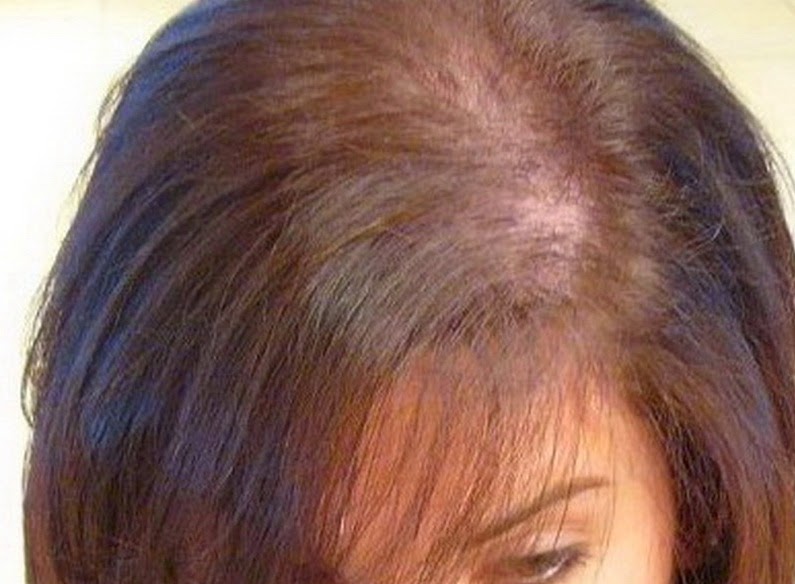
Women may be given minoxidil or a hormonal or iron supplement to help out in preventing hair loss. Women with hair loss owing to androegenetic alopecia are likely to have miniaturizing hairs of uneven diameter over all affected spots of the scalp.
Healthy diet, enough sleep time, habitual exercise, and not worrying too much can put a stop to hair loss, while problems such as lupus, thyroid condition, and diabetes can cause hair loss. Although hair loss is more damaging to the psyche than anything else, some of the causes of baldness may correspond to serious health problems.
Coping with hair loss depends a lot on your approach and the encouragement of your friends and family.
Loss of hair can be caused by a variety of factors, but, when it comes to female hair loss, the most frequent causes relate back to hormone levels. Hormones called androgens, commonly testosterone, can cause hair follicles to shrink, causing thinning of hair or eventual hair loss. In pregnancy, hormone levels increase in intensity in the in the early hours of pregnancy and cause the hair growth cycle to hold up.
Because an imbalance of hormones is the most important factor of hair loss in women, it is not surprising that two of the times in a woman's life when she is most likely to experience significant hair loss is around pregnancy and childbirth and at the time of menopause. a number of women may be worried that using too hot a blow dryer too often, or abuse of hair colors or perms may cause an adverse response involving thinning hair or hair loss, but this is not the case. Auspiciously, for a woman who is worried that she is losing her lush, beautiful head of hair, there are ways not only to put a stop to or slow hair loss, but in numerous cases to restore and re-grow a full, rich head of hair that would compete with those women in television shampoo advertisements.
Observably, there are ways to avoid hair loss in women. Various products now being marketed as aids for women to restore thinning hair are essentially dietary supplements put together to bring more nutrition to the scalp and its hair follicles. The hormone imbalance that takes place in polycystic ovary syndrome can cause hair loss in teenage girls and in adult women.
Finding the Best Hair Loss Clinic
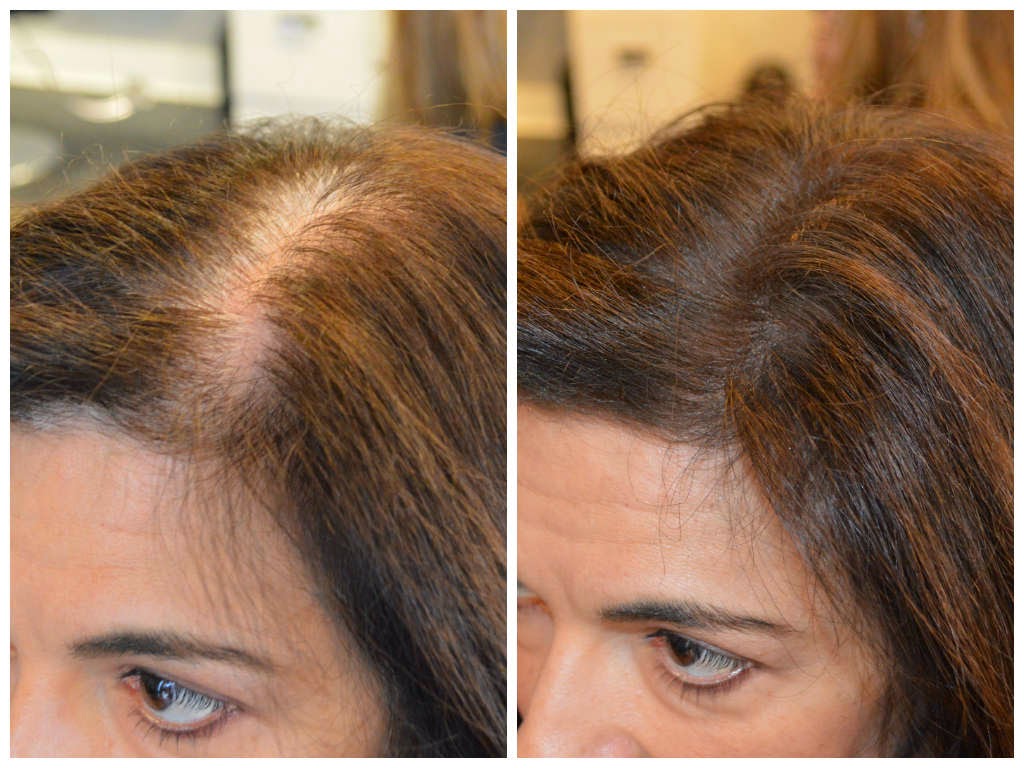
Finding a hair loss clinic that suits your needs is sometimes a difficult task. Nor is it as challenging as choosing a hair loss product. Before resorting to coming to a resolution to find a hair loss clinic first of all you need to answer whether you really need to go to a clinic.
When do I need to find a hair loss clinic?
If you are careful enough to ask this question, you might not even need to go to a hair loss clinic. Hair loss clinic is essentially for the subsequent most important reasons:
A. You are incapable of finding the best product for your needs.
B. You do not want to take the risk of taking care of your hair all by yourself.
C. You are encountering hair loss regardless of what products you have tried.
D. You are subjected to hair loss or itching or sensing irritation when using a particular product.
E. You want to go for surgical treatments for your hair loss.
F. Your hair color is all of a sudden fading.
It is very essential that you give a visit to a hair loss clinic for all the reasons above. By visiting a hair loss clinic you get to meet a qualified and professional dermatologist. However pay particular attention. That is, you have to to be very cautious in finding a hair loss clinic that takes in skilled and highly talented professionals.
Moreover, the staff at each hair loss clinic comprehends that an elective surgical procedure takes a lot of investigation and is a huge decision to make. It's a commitment, so the staff and surgeons take care of each case with the same mind and patience. Your treatment plan should be custom-tailored to your own needs. These hair loss clinics should take up surgeons who are self-assured in their work and staffs who are pleased by the service they can offer you. At the end of the day, you should be able to look to them for assistance through the whole process.


Subscribe to:
Posts (Atom)
Lets Share This!


