It mentioned her friends' concerns over reported weight loss, thinning hair and anxiety, due to some of the stresses she has faced. Politics aside, this brings up an important topic: stress and health. Can stress really lead to thinning ...
Read More...
[Source: thinning hair - Google Blog Search]
Comprehending the Origin of Balding

To fully comprehend balding we need to look at how hair grows and what factors can intrude with this innate process.
Hair growth comes about in two distinct phases, the growth phase known as the Anagen phase and the resting phase known as the Telogen phase. The vast majority of hair on our head (as much as 90%) at any one time is in about a period ranging from 2-7 year growth phase. The remaining hairs are in a resting phase that can continue anywhere between two to four months.
A normal degree of balding is between 50 to 150 hairs a day. Once a hair has been dispersed that particular follicle begins a growth phase, as the lost hair now needs to be replaced.
If everything goes according to plan this period of growth and rest continues by means of many cycles during our evolution.
Balding difficulties can result when this natural cycle is disrupted and the inbred fallout rate exceeds that natural re-growth rate. Additionally, typical factors can lead to hair re-growth that is much weaker and thinner than the prior hair that is being replaced.
Here the issue can go unseen for many years. Seeing that each hair is being replaced there does not appear to be a problem. Nevertheless, in excess of the years each re-growth of shed hair is getting progressively weaker and thinner. In this case baldness and balding can appear to be a very unexpected onset, but it is something that has been alive for various years.
Fortunately from the point of opinion of being able to treat and determine the problem, science has found the true cause of balding.
It is now believed that the cause of balding is an increased level of testosterone (that begins in puberty) that ultimately leads to an inordinate imbalance in another hormone DHT (dihydrotestosterone).
If there are large amounts of DHT present, blood supply to the hair follicle is diminished and over time the actual blood vessels that keep each hair follicle initiate to shrink,and the creation blood flow to the hair follicles even more difficult.
A deficient blood supply leads to weak, thin hair re-growth, which gets progressively worse over time. The coming outcome is a growth that is little more than wispy short hair that is hardly perceivable.
At this stage the individual is suffering from a condition known as androgenic allopecia, more commonly known as male pattern baldness.
Specifically why and how these levels of DHT get to the level where they begin a problem with balding is not known. At this point in time the cause is largely attributed to genetic factors.
Apart from our understanding of the causes of balding that is more or less permanent, there are a number of factors affecting men and women that can cause temporary balding.
Some of the more common causes of temporary balding are; scalp infections; inappropriate use of hair care products; side affects of numerous medications and medical procedures (surgery and chemotherapy for example) and too little nutrition for healthy hair growth.
Generally once the cause of balding is established and the appropriate treatment given, hair growth can return to normal.
The the largest part of important factor in successfully treating any kind of balding is to determine quickly the correct cause of the balding and as a result immediately initiate with the appropriate treatment.
For someone experiencing balding now or someone who could reasonably expect balding in the future based on past family medical history, preventive measures should be taken sooner rather than later.
At the tremendously least an appropriate hair care regime should be in place. As part of this regime effective nutrition should be stressed, including nutrients that have a known hair growth function such as Biotin, Zinc and the herb Saw Pallmeto.
Today there are many balding treatment options available. There is a range of natural over the counter preparations that have undergone numerous clinical trials and have had several success stories in stopping balding and promoting re-growth of normal healthy hair.
And if the natural way does not deliver the desired results, there are continually hair restoration techniques such as hair extensions, hair transplants and wigs that offer even more options to treat balding.

Comments for Thinning Hair
 There are various reasons people have
 thinning hair
and these can range from stress to heredity to illnesses. One factor that many individuals don't even realize can affect hair health is diet.There are a variety of vitamins and minerals that should be included in your every day diet in order to attenuate the loss of hair. Thinning hair also occurs when your diet is deficient in proper nutrition, or when you formulate drastic changes to your latest diet.
A wholesome diet, rich in silica, calcium and iron, will help reduce or put a stop to thinning hair. Green, leafy vegetables, primarily sea vegetables, are average mineral sources. Raw oats provide silica. Dried fruits and cherry juice are rich sources of iron.
For women,
thinning hair
can be a sign of a problem in the gastrointestinal tract. It could be a sign of insufficient stomach acids; It could also signify a non attendance of protein, zinc and option nutrients. Taking two acidophilus tablets after or amid meals (four to six tablets per day) for a couple of months will help. While simply not having enough of a certain vitamin in your diet can certainly contribute to thinning hair, extreme dieting is the number one cause of diet analogous thinning hair. Diets that are considered extreme are usually those that are also known as "fad diets." This includes any drastic be different in the way a person eats in order to achieve nearly instant results.
For men, balding process can be slowed down through taking a low-fat diet. some scientists postulate that the male pattern
thinning hair
is tied to increased testosterone levels during puberty. A high-fat, meat-based diet raises testosterone levels, and that may adversely affect hair follicles. For example, in Japan, male pattern thinning hair was very rare prior to World War II when the diet was lean and healthy. The Japanese now feed upon a more fatty, Westernized diet. thinning hair is now increasing substantially among Japanese men. Eating low-fat foods may not prevent thinning hair; but it might help slow down the thinning hair.Many extreme diets can cause harsh health issues, including loss of hair. several of the most modern extreme diets have included the Atkins Diet, the South Beach Diet, as well as any diets that require pill-taking on a regular basis. Also, if your diet includes laxatives as a weight loss booster, your body may not be able to retain all the nutrients it needs to keep your hair healthy and can often result in thinning hair. It is best to stop these types of diets and instead stick with a healthy every day eating plan that will promote general health and the health of your hair.
Anemia is one of the a good quantity of chronic causes of thinning hair. Eat plenty of iron-rich foods, like liver (stop if you are pregnant) and other organ meat, whole grain cereals, dark green leafy vegetables, eggs, dates, and raisins.
The hair is comprised mostly of protein. To encourage hair growth, adhere to a diet rich in protein. A recommended diet for this purpose includes calves liver, brewer's yeast, wheat germ, and two tablespoons of granulated lecithin. Along with protein, these foods are also high in B vitamins, an important nutrient for hair.
New Video: Michael Jackson Pepsi Commercial Hair on Fire Los ...
New video footage has emerged that shows Michael Jackson with his hair on fire when he made a commercial for Pepsi in 1984. The accident was caused by pyrotechnic displays on the stage. Please wait for the video from Sky News below to ...
Read More...
[Source: hair los - Google Blog Search]
Read More...
[Source: hair los - Google Blog Search]
Coping with the Issue of Female Hair Loss
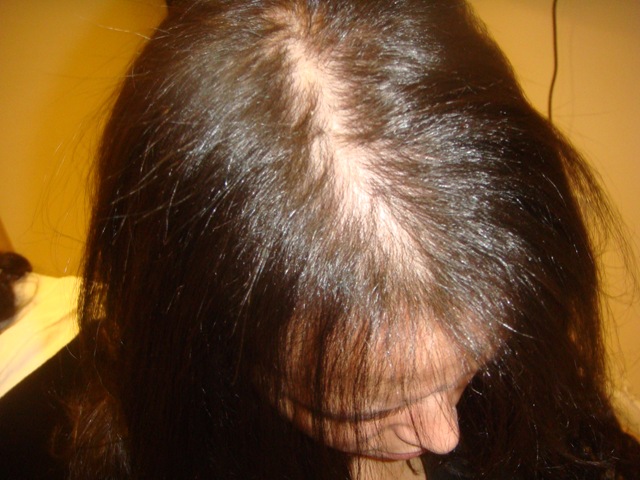
female hair loss
is part of our on a daily basis lives, whether you comprehend it or not and is generally more common as people grow older, but can affect younger people as well. Hair loss is a comparative process, some inquiry has indicated that it takes 5 years or more for follicle roots to totally discontinue. For sundry patients, hair loss is a major emotional issue and is quite natural after major surgery, consequently it is notable for patients to speak to their doctor about this possible side effects before undergoing surgery.Women
Women's hair tends to thin all at once and the pattern of hair loss in women is dissimilar to the customary receding hairline and crown loss that is common in men. Female hair loss is as continuous as male hair loss, but because of hormonal differences between men and women, women naturally lose their hair in a more copious way than men. Women seldom experience loss of all their hair. A reasonably widespread cause of hair loss in women is birth control pills.
Minoxidil or a hormonal or iron supplement may be given to assist in putting off
female hair loss.
Women with hair loss due to androegenetic alopecia tend to have miniaturizing hairs of irregular diameter over all affected areas of the scalp.Health
Healthful diet, enough time of sleep, consistent exercise, and not worrying too much can avoid female hair loss, whereas issues such as lupus, thyroid condition, and diabetes can give rise to hair loss. Eating habits change from healthy eating habits on one end of the scale, to grave eating disorders like anorexia and bulimia on the option end. Though hair loss is more negative to the psyche than anything else, more than a few of the causes of baldness may denote serious health problems.
Certainly a prototype healthy diet will lead to reduce
female hair loss
and it is important to keep your health good, but hair loss can affect the emotional health of both men and especially women and it can be a rather glib statement to tell persons not to worry about their looks. Coping with hair loss depends a lot on your line and the support of your friends and family.Hormones
The thyroid gland is in the front of the lower neck and makes prominent hormones that keep the body healthy. Hormones called androgens, most often testosterone, can cause hair follicles to shrink, causing thinning of hair or coming female hair loss. In pregnancy, hormone levels increase in the early stages of pregnancy and cause the hair growth cycle to slack down.
Doctors refer to common baldness as "androegentic alopecia" which implies that a mix of hormones and heredity (genetics) is needed to develop the condition. The hormone imbalance that occurs in polycystic ovary syndrome can cause hair loss in teenage girls as well as in adult women.
Female-pattern androegenetic alopecia is a common condition, its traetment includes minoxidil 2% and antiandrogens (cyproterone acetate) in case of obvious hyerandrogenism; finasteride, not currently commendable for female hair loss, is nevertheless being tested in postmenopausal women.
Are Home Remedies for Hair Loss actually That Grand?

At the same time as numerous individuals are prepared to share their homemade secret to hair loss, it's hard to know which will work for you. It's not like there are clinical research to support these people's claims. Combing through the countless home remedy proposals, you must commit to memory that like the majority of health treatments, every person's body is diverse. The same treatment may generate different effects in different persons. In addition, you have to know what the actual reason for your hair loss is. There are various factors that are part of the cause to hair loss such as nutritional insufficiency, illness, tension, stress, diets, and certain medical issues. So unless you know the exact cause for you hair problem, how will you know which home remedy is the correct treatment? Most of the time, homemade answers are a trial- prone to-error issue.
When you actually try out some of these home remedies, you will realize how time consuming it can actually be. The majority of these treatments call you to leave the treatment on for 1/2 hour, 2 hours or even during the night. They will also propose that you do the treatment 2-3 times a week. Let's not forget too that you have to first put together the combination or mixture. It's not as fitting as pouring it from a bottle. If you have a hectic schedule, you may not have time to spare to do these treatments.
Home remedies are not wonder cures. It may take a while before prior to seeing results. You will have to apply a lot of patience. This is difficult as you don't really know if it works in the first place.
Home remedies for hair loss may be the safer way to go measured up to medications or pricey treatments. It does have its benefits but not everything about it is positive.
An ordinary rate of hair loss is between 50 to 150 hairs a day. Once a hair has been shed that specific follicle starts a growth phase, as the lost hair now needs to be restored.
Not everybody has money to spend and not all and sundry likes the idea of possible side effects from medication. That's why numerous persons are enthusiastic to try home remedies. The question of "what's a good home remedy for hair loss" is a well-liked one in many hair restoration forums, even at Yahoo! Answers. Even if the thought of using a home remedy is interesting, there are some down sides that people don't generally talk about. Here is a heads-up on some of them:
And if the natural way does not bring the desired results, there are always hair restoration techniques for instance hair extensions, hair transplants and wigs that put forward even more choices to treat hair loss.
Are you going abroad this year? well, I got good news for you: gap year, the directory for volunteer placements and jobs abroad is available
Remedies to Hair Loss: Which are Better?
Not all and sundry has cash to spend and not all and sundry likes the idea of possible side effects from medication when treating hair loss. That's why numerous persons are disposed to try home remedies. The question of "what's a good home remedy for hair loss" is a well-liked one in lots of hair restoration forums. Even if the idea of using a home remedy is alluring, there are some down sides that people don't normally talk about. Home remedies for hair loss may be the safer route to go compared to medications or expensive treatments. It does have its benefits but not everything about it is rosy.
And if the natural way does not convey the desired results, there are always hair restoration techniques such as hair extensions, hair transplants and wigs that offer even more choices to treat hair loss.
When you really try out some of these home remedies, you will find out how time consuming it can actually be. Most of these treatments call for leaving the treatment on for 1/2 hour, 2 hours or even overnight. They will also recommend that you do the treatment 2-3 times a week. Let's not forget too that you have to first prepare the mixture or concoction. It's not as convenient like pouring it from a bottle. If you have a hectic schedule, you may not have time to spare to do these treatments.
The desperation to restore back lost hair is so great that 47% of hair loss sufferers are willing to shell out their life savings to do it. That is what the survey conducted by Optima Hair Specialist revealed. Yes, hair loss treatments can be very costly. At the moment, FDA has only approved 2 hair loss drugs which are Propecia (finasteride) and Rogaine (minoxodil). Sadly, when taking drugs there's always the risk of side effects. Some possible side effects with these hair loss medications comprise erectile dysfunction, impotence, low libido, breast enlargement, and fall in blood pressure and a boost in heart rate.
Here the problem can go ignored for several years. In view of the fact that each hair is being replaced there does not appear to be a problem. Nevertheless, over the years each re-growth of shed hair is getting progressively weaker and thinner. In this case baldness and hair loss can appear to be a very sudden onset, but it is something that has been active for several years.
Apart from our understanding of the causes of hair loss that is more or less permanent, there are several factors affecting men and women that can cause temporary hair loss.
The most important factor in successfully treating any kind of hair loss is to determine quickly the correct cause of the hair loss and then immediately begin with the appropriate treatment.
Hair growth occurs in two distinct phases, the growth phase known as the Anagen phase and the resting phase known as the Telogen phase. The vast majority of hair on our head (as much as 90%) at any one time is in a 2-7 year growth phase. The remaining hairs are in a resting phase that can last anywhere between two to four months.
And if the natural way does not convey the desired results, there are always hair restoration techniques such as hair extensions, hair transplants and wigs that offer even more choices to treat hair loss.
When you really try out some of these home remedies, you will find out how time consuming it can actually be. Most of these treatments call for leaving the treatment on for 1/2 hour, 2 hours or even overnight. They will also recommend that you do the treatment 2-3 times a week. Let's not forget too that you have to first prepare the mixture or concoction. It's not as convenient like pouring it from a bottle. If you have a hectic schedule, you may not have time to spare to do these treatments.
The desperation to restore back lost hair is so great that 47% of hair loss sufferers are willing to shell out their life savings to do it. That is what the survey conducted by Optima Hair Specialist revealed. Yes, hair loss treatments can be very costly. At the moment, FDA has only approved 2 hair loss drugs which are Propecia (finasteride) and Rogaine (minoxodil). Sadly, when taking drugs there's always the risk of side effects. Some possible side effects with these hair loss medications comprise erectile dysfunction, impotence, low libido, breast enlargement, and fall in blood pressure and a boost in heart rate.
Here the problem can go ignored for several years. In view of the fact that each hair is being replaced there does not appear to be a problem. Nevertheless, over the years each re-growth of shed hair is getting progressively weaker and thinner. In this case baldness and hair loss can appear to be a very sudden onset, but it is something that has been active for several years.
Apart from our understanding of the causes of hair loss that is more or less permanent, there are several factors affecting men and women that can cause temporary hair loss.
The most important factor in successfully treating any kind of hair loss is to determine quickly the correct cause of the hair loss and then immediately begin with the appropriate treatment.
Hair growth occurs in two distinct phases, the growth phase known as the Anagen phase and the resting phase known as the Telogen phase. The vast majority of hair on our head (as much as 90%) at any one time is in a 2-7 year growth phase. The remaining hairs are in a resting phase that can last anywhere between two to four months.


Subscribe to:
Posts (Atom)
Lets Share This!


